In the realm of health and wellness, the concept of human growth hormone (HGH) often captures attention due to its pivotal role in growth during childhood and adolescence. However, its significance doesn’t wane with age. Human growth hormone plays an essential role in maintaining bodily functions and promoting overall well-being throughout adulthood. As a result, HGH lab testing for adults has become a critical tool in assessing health and addressing potential imbalances.
Understanding Human Growth Hormone:
Before delving into the intricacies of HGH lab testing, let’s comprehend what HGH is and why it’s vital for adults. Human growth hormone is a peptide hormone secreted by the pituitary gland. During childhood and adolescence, it is responsible for growth, cell reproduction, and regeneration. As individuals age, the levels of HGH naturally decline, but the hormone continues to play a key role in various physiological processes.
Importance of HGH in Adults:
In adults, HGH is involved in several essential functions:
Metabolism Regulation: HGH helps regulate metabolism by stimulating the breakdown of fats for energy and maintaining lean body mass.
Cell Repair and Maintenance: HGH contributes to cell regeneration and repair, aiding in the maintenance of healthy tissues, including skin, muscles, and organs.
Bone Health: HGH is a vital factor in maintaining bone density and strength, helping to prevent osteoporosis.
Immune System Support: It supports the immune system by enhancing the production and function of immune cells.
Cognitive Function: HGH plays a role in cognitive function, memory, and focus.
HGH Lab Testing for Adults:
HGH lab testing involves measuring the levels of growth hormone in the blood. The test is often used to diagnose growth hormone deficiencies, evaluate pituitary gland function, and monitor treatment outcomes. Here’s how the process generally works:
Blood Sample Collection: A healthcare professional collects a blood sample from the patient. This is usually done by inserting a needle into a vein, typically in the arm.
Stimulation Test: In some cases, a stimulation test may be conducted. This involves administering a substance that triggers the pituitary gland to release HGH, followed by blood tests to measure the response.
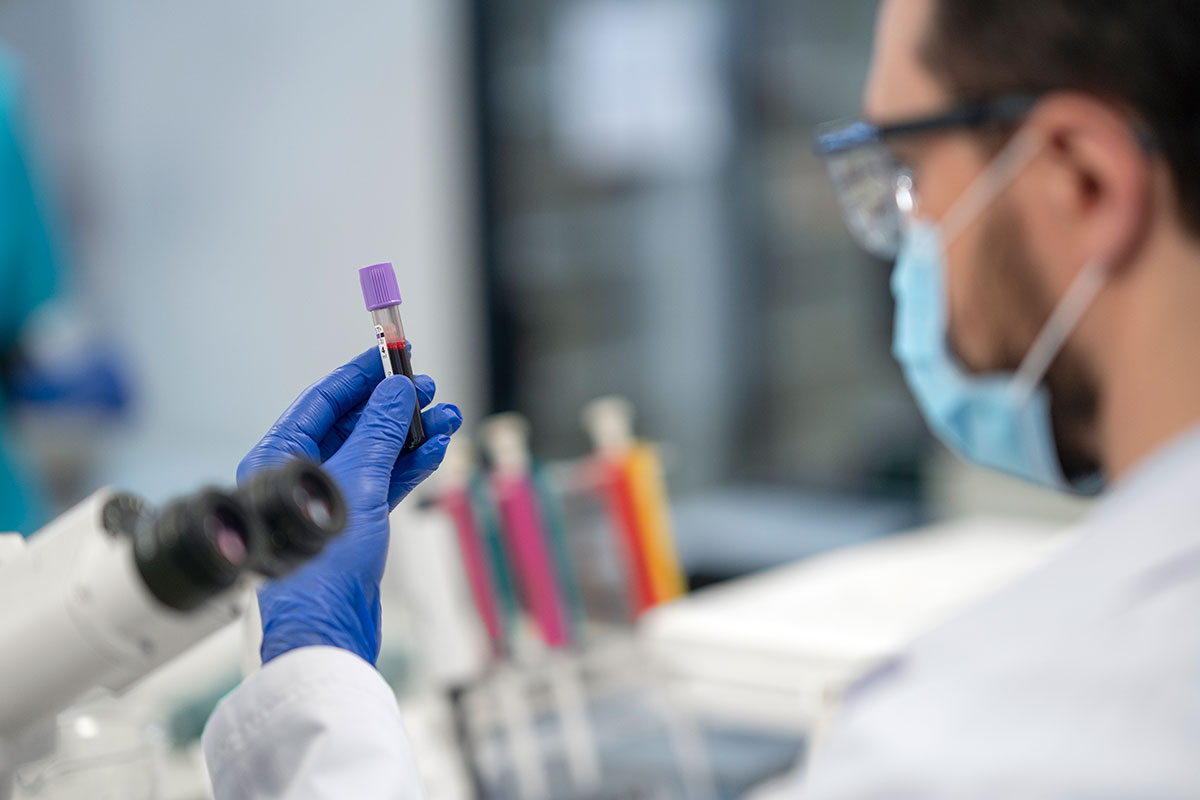
Analysis: The collected blood sample is analyzed in a laboratory to measure the levels of HGH. Normal ranges can vary depending on factors such as age, sex, and the specific testing method used.
Interpreting Results:
The results of HGH lab testing are interpreted in the context of the patient’s age, sex, and overall health. Abnormal results can indicate a growth hormone deficiency or other underlying health issues. It’s important to note that low HGH levels might not necessarily require treatment, as individual variations exist and a comprehensive assessment is essential.
Conclusion:
HGH lab testing for adults offers valuable insights into hormonal health and overall well-being. As we age, maintaining appropriate levels of human growth hormone becomes increasingly important for optimal bodily functions. Whether to diagnose a deficiency or to monitor treatment, HGH lab testing empowers healthcare professionals to make informed decisions and tailor interventions that support the health and vitality of adults in the modern age.